Hello,

*

Hi! I'm a Mechanical Engineer interested in Biotechnology. I currently go to Boston University, and everyday I learn, read, and practice to create the best solutions I can. It's beautiful to have passion and work at the same time, don't you think?

Explore my work

Mechanical Design & CAD

  • SolidWorks, OnShape, Geometric Dimensioning & Tolerancing (GD&T)
  • 3D Printing, Laser Cutting, Prototyping

Engineering Tools & Methods

  • Numerical Simulation, Manufacturing Processes, Design of Experiments
  • Material Properties Analysis, Load & Stress Optimization
  • 3D Motion Capture Systems (setup, basic calibration, and data handling)

Programming & Data Analysis

  • MATLAB, Python, Swift, Arduino, Xcode, Firebase
  • Data Cleaning & Preprocessing, Regression Learner, Statistical Analysis

Related Coursework

  • Electromechanical Design, Fluid Mechanics, Thermodynamics, Computer Aided Design
  • Materials of Mechanics, Introduction to Programming, Principles of Molecular & Cellular Biology
  • Engineering Mechanics, Manufacturing Process, Business of Technology and Innovation

I design and develop innovative mechanical engineering solutions for research, industry, and academia. I create data-driven, user-focused, and scalable engineering systems.

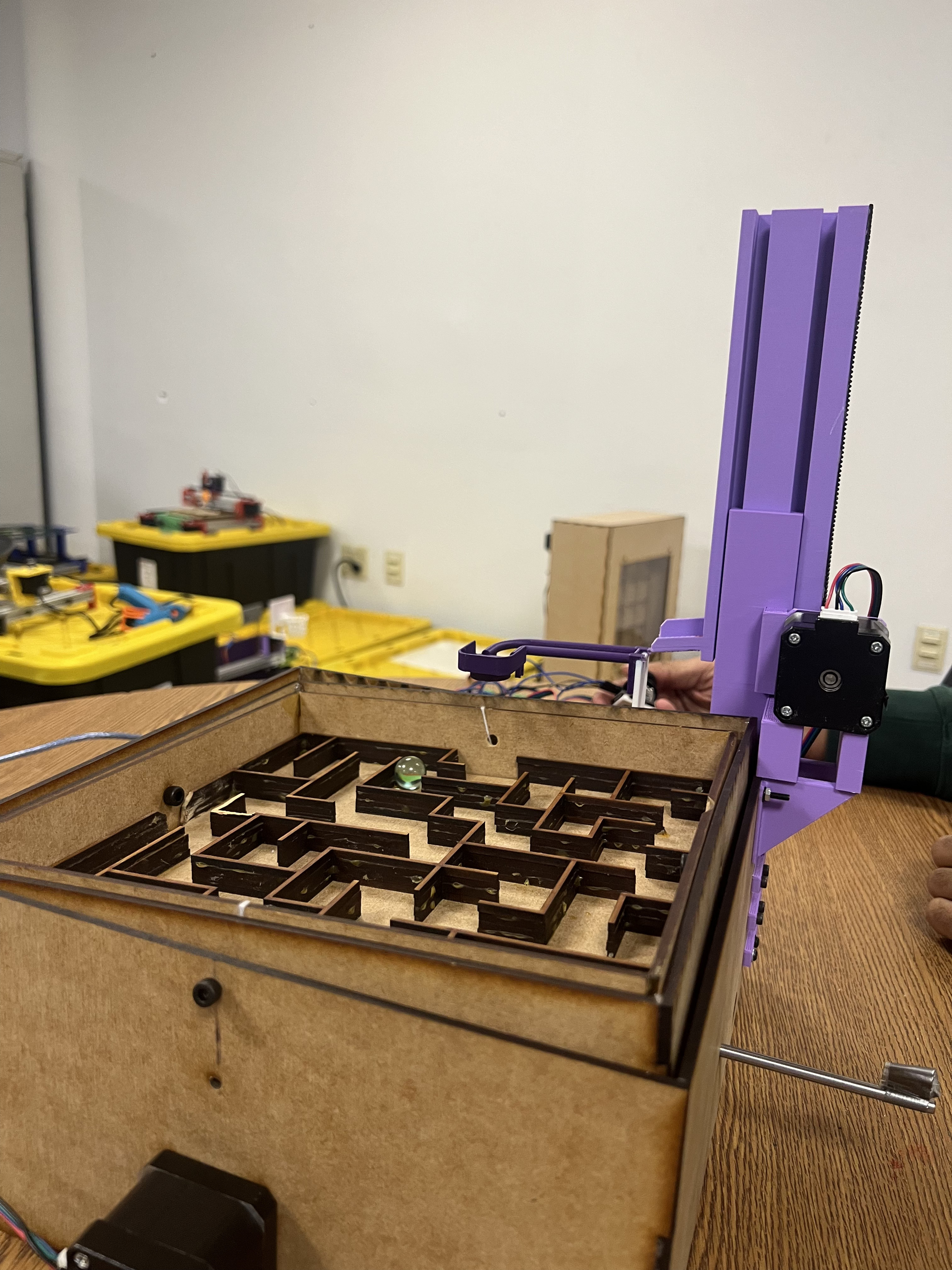
Cartesian Maze Platform

A 2.5 DOF Cartesian maze system combining two rotational axes and a linear Z-axis with joystick control — built with SolidWorks, laser-cut finger-joint construction, and Arduino Mega integration.

Design and build a 2.5 DOF Cartesian maze system to control and manipulate a physical maze platform through joystick actuation.

  • Two rotational axes to tilt the maze plus a linear Z-axis for vertical motion
  • Compact mechanical integration with repeatable, joystick-driven motion
  • Laser-cut structural system for rapid prototyping and clean assembly
  • Arduino Mega control for stepper motors and coordinated multi-axis movement
  • Designed maze chassis in SolidWorks with finger-joint laser-cut construction
  • Modeled outer frame, internal supports, and maze mounting for rigid enclosure
  • Iterated slot clearances, structural dimensions, and part geometry across prototypes
  • Wired and coded Arduino Mega: stepper integration, pin mapping, Z-axis positioning
  • Delivered compact interactive prototype with clean electromechanical integration
  • Repeatable Z-axis positioning and joystick actuation via Arduino IDE control logic
  • Reliable motor and control operation through wiring troubleshooting and refinement
  • Final build balanced precision, manufacturability, and multi-axis motion packaging
Cartesian maze platform build

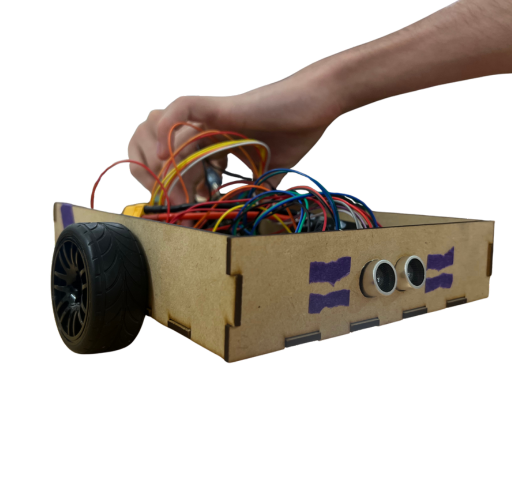
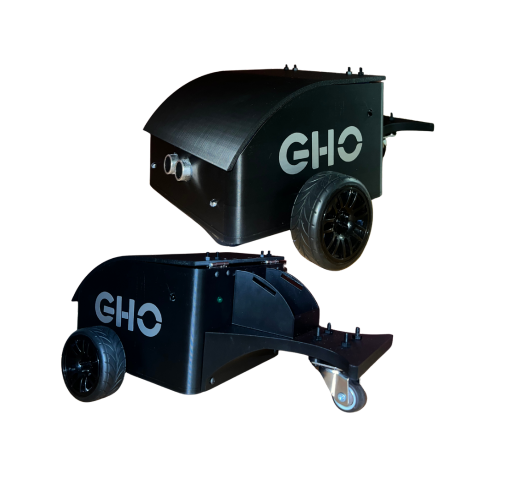
Autonomous Line-Following Car

A sophisticated autonomous vehicle demonstrating advanced sensor integration, PID control systems, and precision engineering for optimal line-following performance.

Design and build an autonomous line-following car for a course, meeting client requirements.

  • Accurate path detection using multiple IR sensors
  • Obstacle detection and touchless activation
  • Under 1 min 30 sec completion time
  • 250g load capacity, cost under $200
  • Component selection & integration
  • Programming in Arduino IDE with PID control
  • CAD modeling in OnShape & 3D printing
  • Circuitry building & testing
  • Iterative testing & refinement
  • Successfully completed designated course
  • Consistent path tracking & obstacle avoidance
  • Smooth steering & reliable weight handling
  • Robust, cost-effective final product
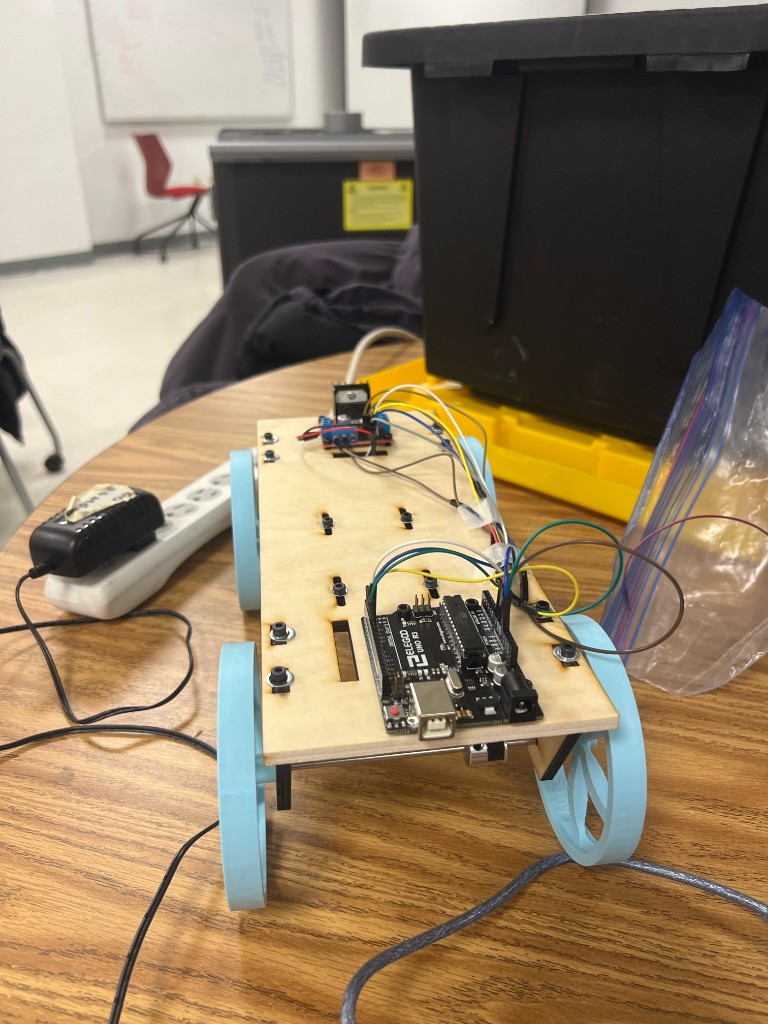
Autonomous car prototype with exposed wiring

DanCER - Coding Tool

An iOS application for biomechanical movement analysis, developed during an internship at the University of Sydney. Features real-time dance movement difficulty calculation and video management.

Led the development of DanCER, an iOS app for biomechanical movement analysis, during an internship at the University of Sydney.

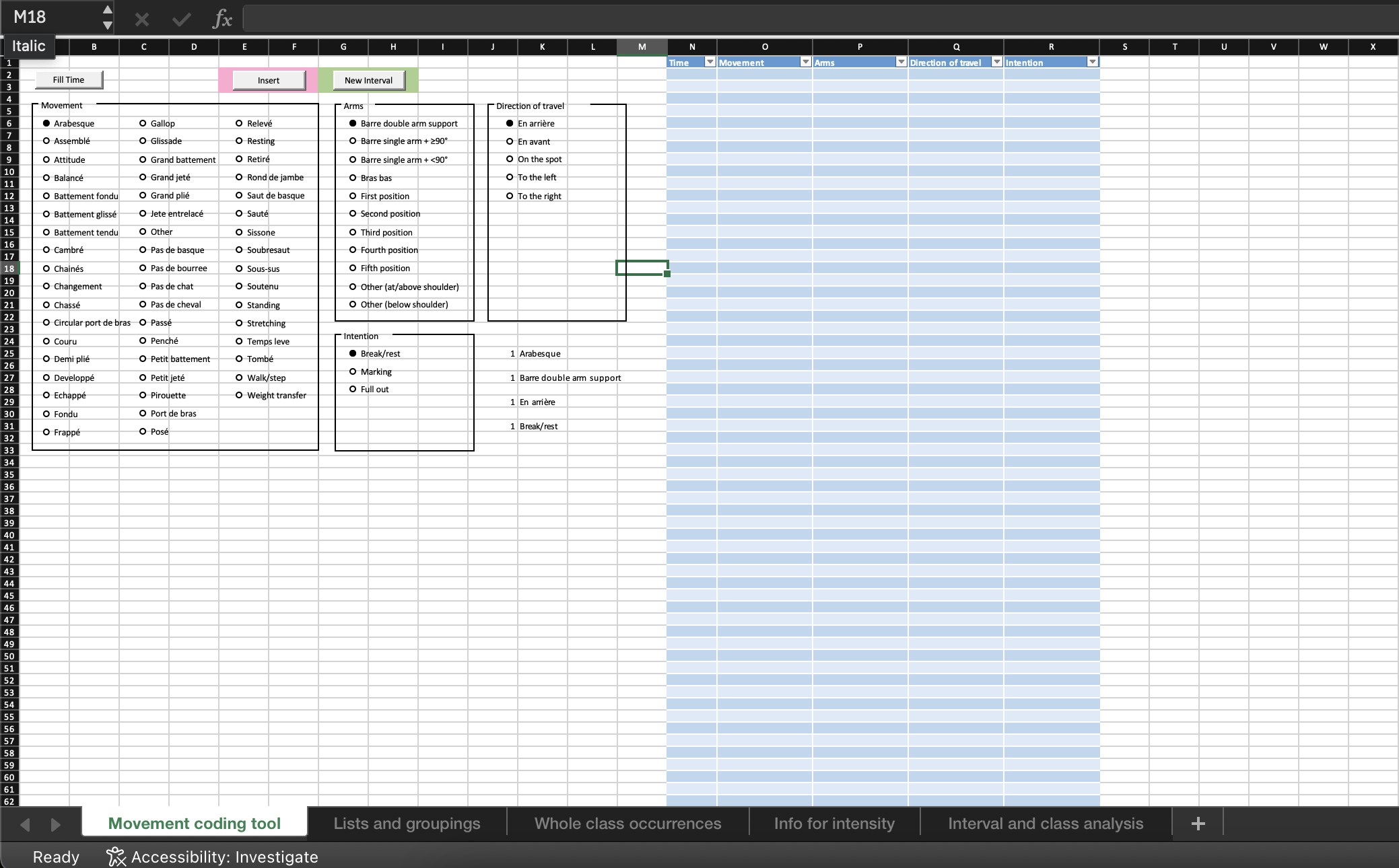
  • Design movement coding tool in Excel
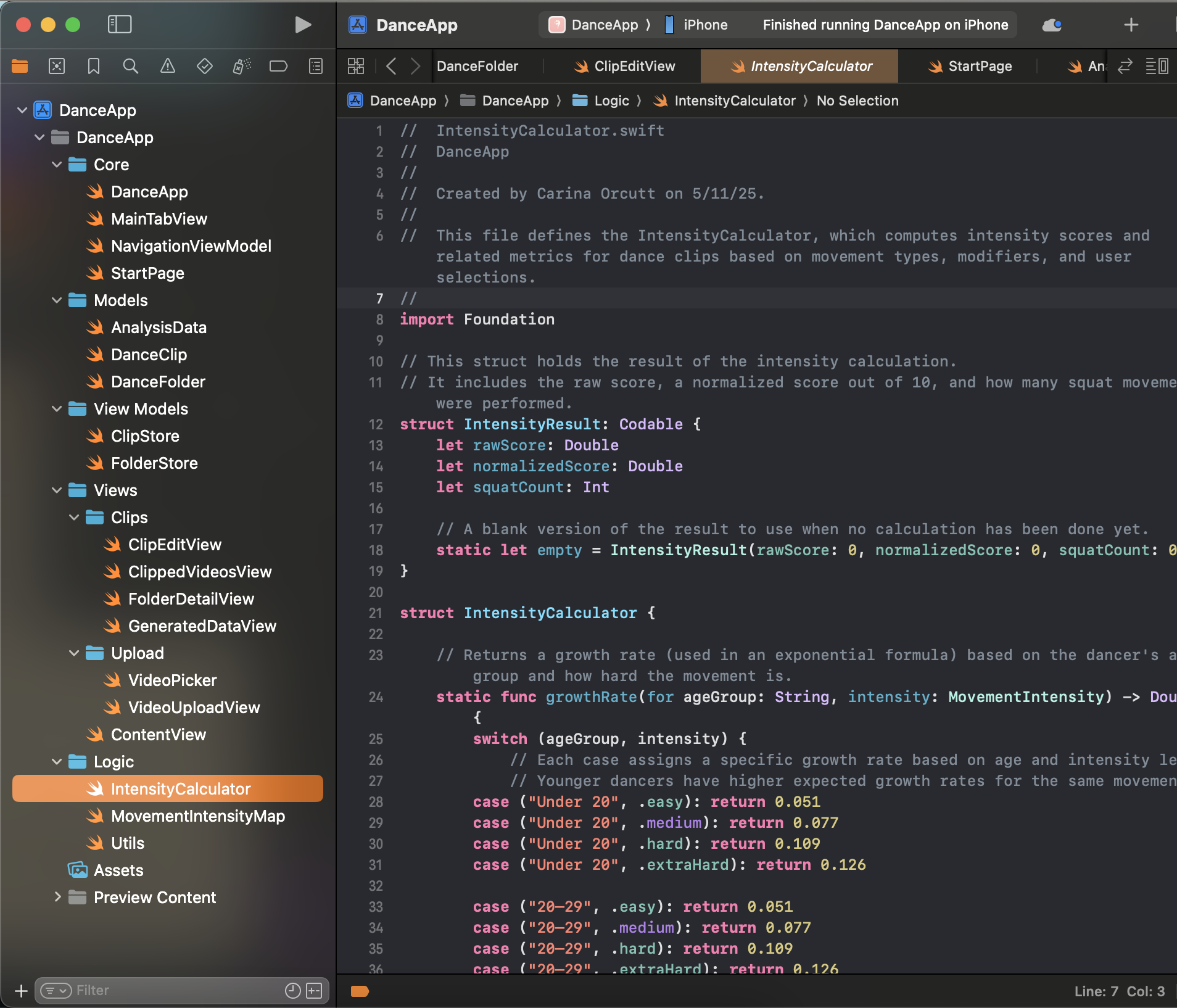
  • Develop Swift-based algorithms for intensity calculation
  • Build SwiftUI interface for video management
  • Integrate persistent storage and data flow
  • Categorized dance steps and assigned difficulty modifiers
  • Implemented intensity calculation algorithms
  • Built video upload and clipping interface
  • Integrated persistent storage for clip management
  • Conducted iterative testing with researchers
  • Functional prototype for real-time difficulty calculation
  • Clean, intuitive UI with pink-themed branding
  • Scoring breakdown system with exact modifiers
  • Efficient video clip management and organization
Excel movement coding tool interface

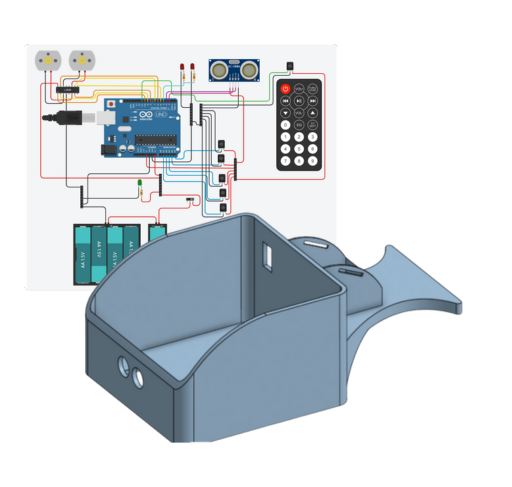
Motorized Cart Transport & Stability

Designed, simulated, and built a motorized cart in SolidWorks and Arduino to transport a vertical bar over 5–10 feet without toppling — from CAD and motion analysis through belt-driven prototyping.

Design a motorized cart to transport a 1-foot vertical prismatic bar over 5–10 feet and back without toppling, with smooth acceleration and deceleration.

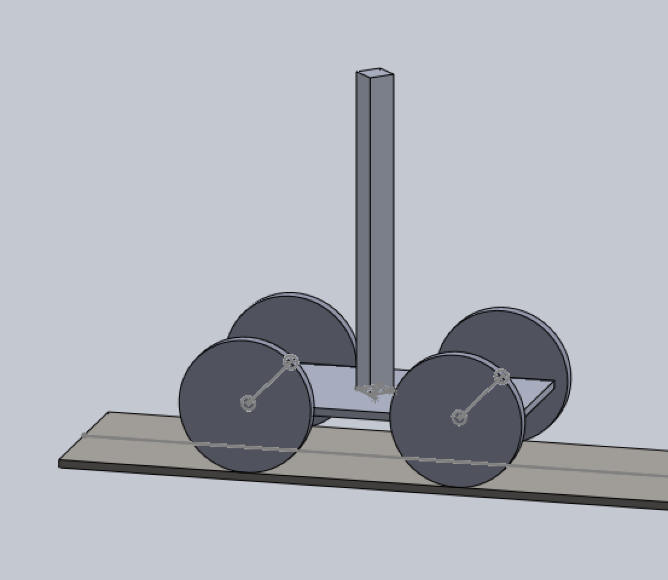
  • Stable, low-profile platform with center-mounted vertical bar
  • SolidWorks CAD from preliminary sketches through final assembly
  • Motion simulation to determine minimum travel time at stable acceleration
  • Physical prototype with Arduino-based speed control
  • SolidWorks Motion study — max allowable acceleration before toppling: 45.5 in/s²
  • Belt-driven drivetrain: 2GT-200 belt, 12mm pulleys, 81.15mm center-to-center
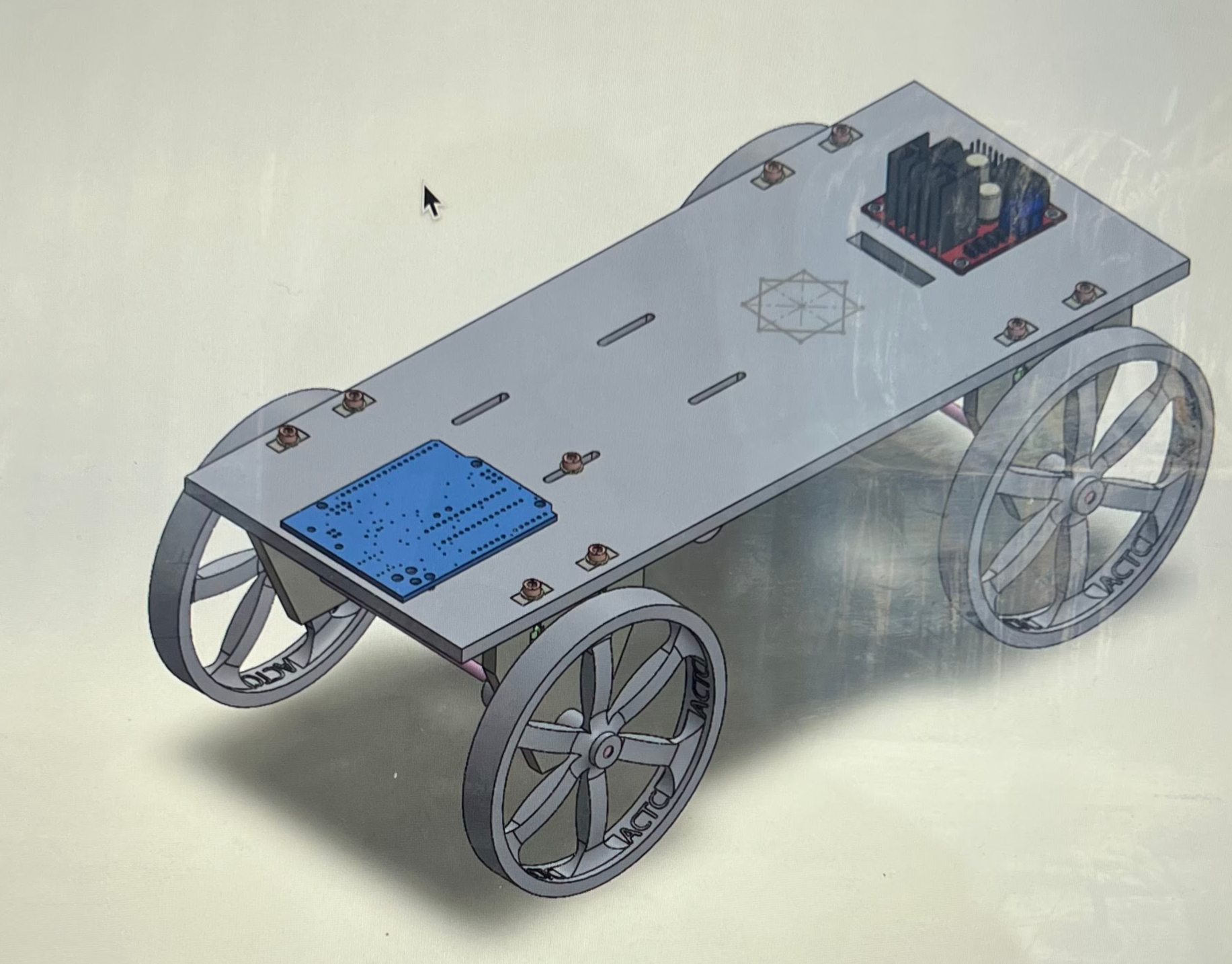
  • 3D-printed wheels, motor mount, and axle supports modeled in SolidWorks
  • Laser-cut chassis for rapid iteration; Arduino PWM acceleration/deceleration profiles
  • Analytical stability conditions validated simulation and physical prototype
  • Tuned control code through repeated trials for fastest stable run
  • Refined belt tension, wheel alignment, and motor mount geometry in SolidWorks
  • Resolved inconsistent motor behavior and improved dynamic stability iteratively
3D CAD design of motorized cart in SolidWorks

Temperature Sensing Device

A portable temperature-sensing device with real-time readings, visual and audio alerts, and custom 3D-printed components for environmental monitoring.

Create a portable temperature-sensing device that displays real-time readings and alerts users when temperature falls outside 18-30°C.

  • Visual LED and audio alerts for accessibility
  • Design and 3D-print custom battery holder
  • Ensure easy operation and durability
  • Suitable for varied environments
  • Integrated existing components into compact layout
  • 3D-printed custom battery holder for 9V battery
  • Assembled Arduino, LCD, TMP36 sensor, LEDs, buzzer
  • Developed C++ code for temperature monitoring
  • Applied circuit design with KVL and Ohm's law
  • Fully functional temperature monitor with accurate readings
  • Integrated audio and visual alerts in portable unit
  • Differentiated features: on/off switch and custom audio
  • Gained hands-on experience in electronics and programming
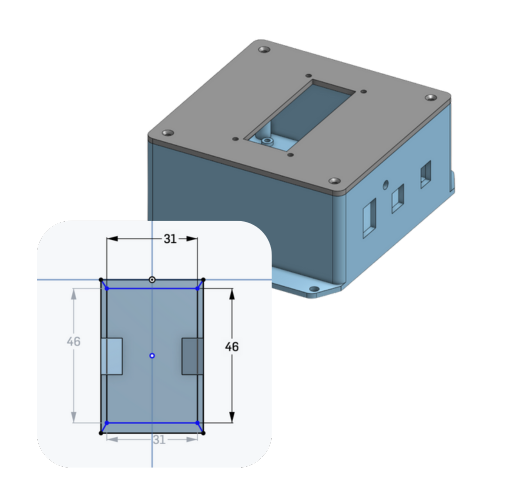
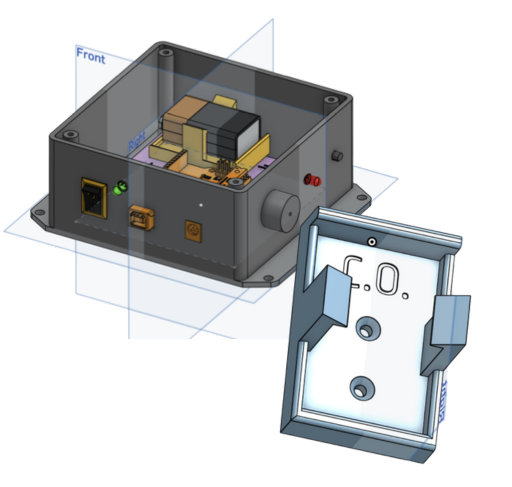
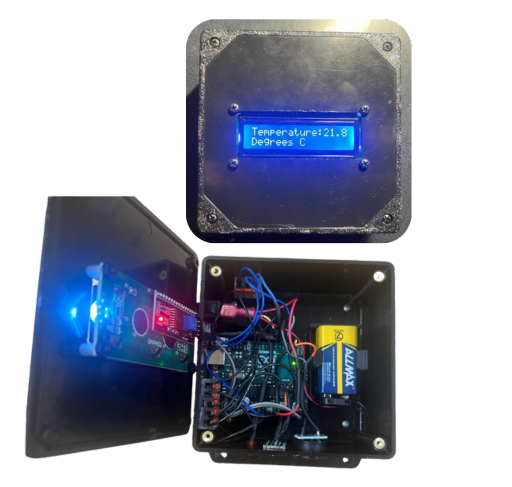
CAD design and 3D rendering of temperature device

Truss Design & Analysis

A MATLAB program for modeling truss structures, calculating member forces, identifying critical members, and predicting failure loads with physical validation.

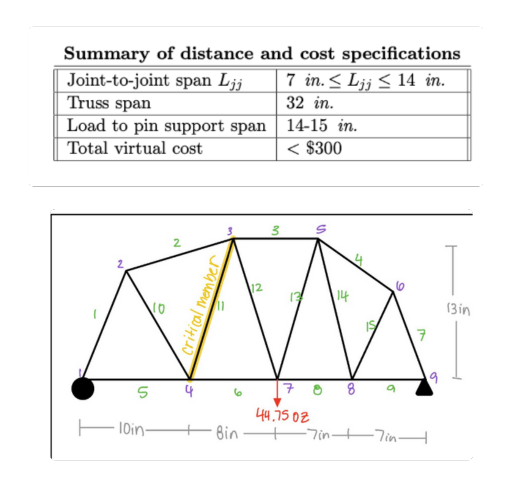
Develop a MATLAB program capable of modeling any truss design, calculating member forces, identifying critical members, and predicting failure loads.

  • Model arbitrary truss geometries and configurations
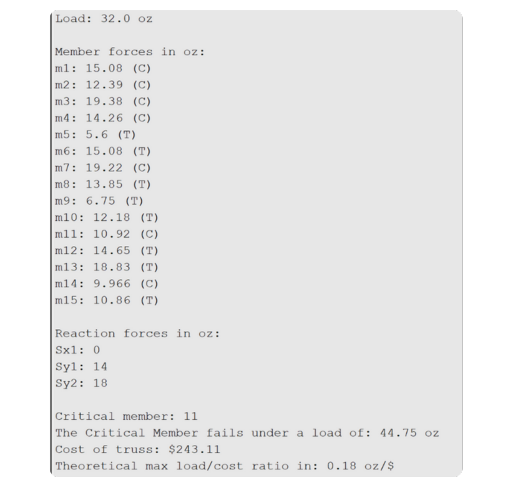
  • Calculate member forces and identify critical members
  • Predict failure loads with buckling analysis
  • Validate program with physical truss testing
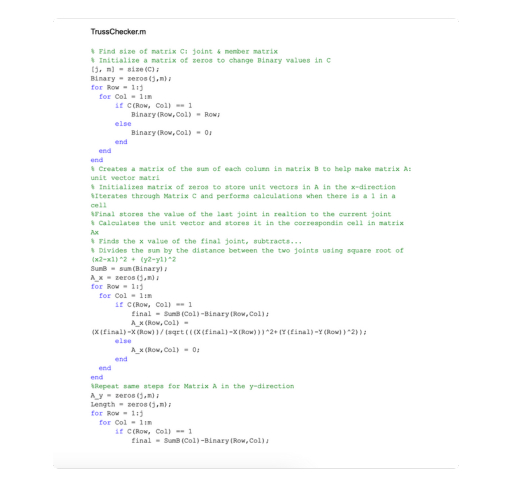
  • Coded functions for matrix creation and unit vector calculations
  • Incorporated buckling equations and uncertainty estimates
  • Input joint coordinates and connectivity for force analysis
  • Constructed acrylic truss per model specifications
  • Measured member lengths and load-tested for accuracy
  • MATLAB program successfully identified critical member
  • Predicted failure load within ±1.54 oz of experimental results
  • Physical truss reached 44.75 oz maximum load
  • Developed tool adaptable for future truss optimization
Truss design specifications and diagram